

How to Monitor Methane Emissions from Cattle Pastures
Methane emissions have been a hot topic globally for years, and agricultural practices continue to face intense scrutiny for their contributions to elevated levels of greenhouse gases from livestock. Consequently, methane gas production from cows has become a logical focal point for environmental and livestock research, including a recent study by Buck Island Ranch in Florida. Their studies shed light on the dynamics of balancing cattle production with environmental responsibility—and are providing a framework for their international counterparts to follow.
Identifying Carbon Sinks from Cows
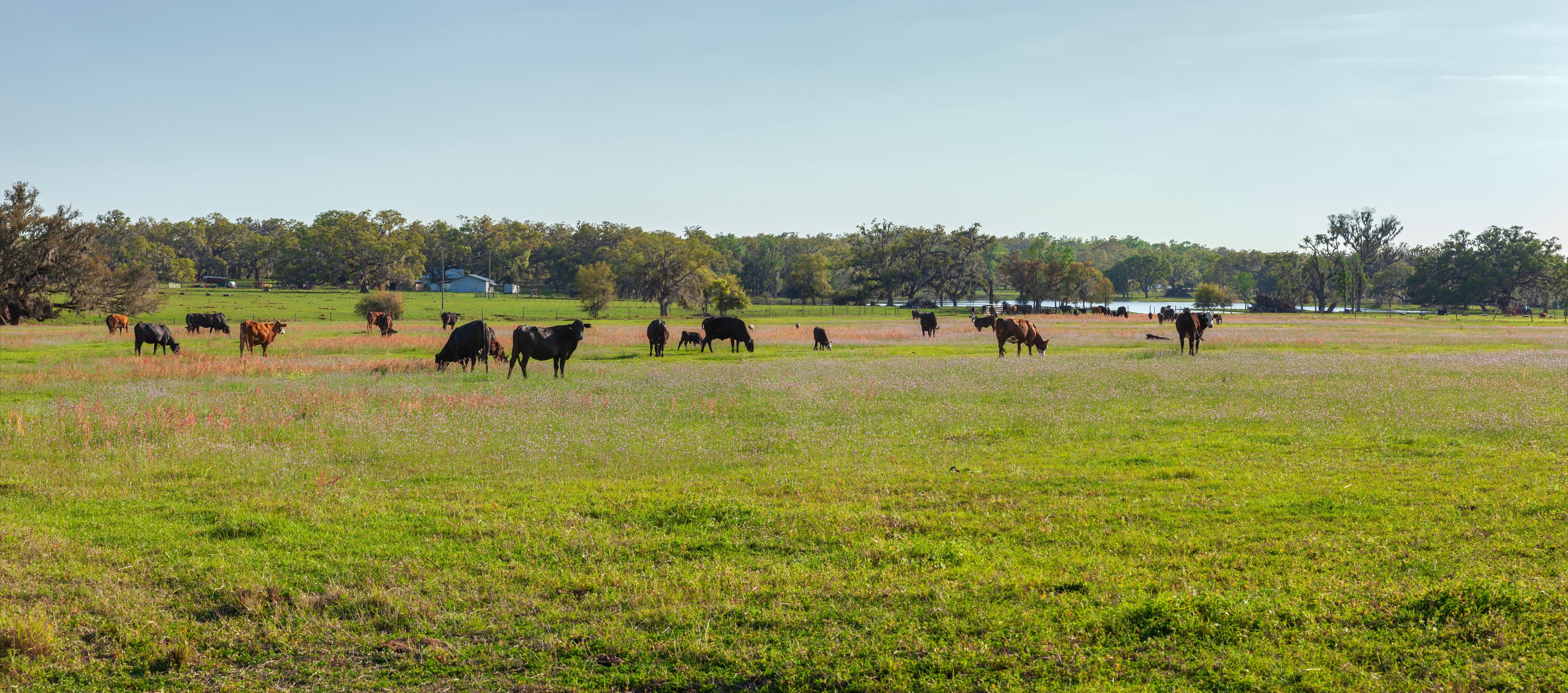
Run by the conservation group, Archbold Biological Station, since 1988, Buck Island Ranch has been conducting livestock emissions research on its cattle herds for over a decade—having come a long way since its traditional ranching roots. Initial studies focused on water quality and wildlife management, but the group’s attention shifted toward understanding methane and carbon fluxes amid growing greenhouse gas concerns. The Ranch has conducted recent studies on detecting methane emissions and determining whether its pastures are carbon sinks or sources of greenhouse gases.
Using Eddy Covariance Systems for Emissions Monitoring
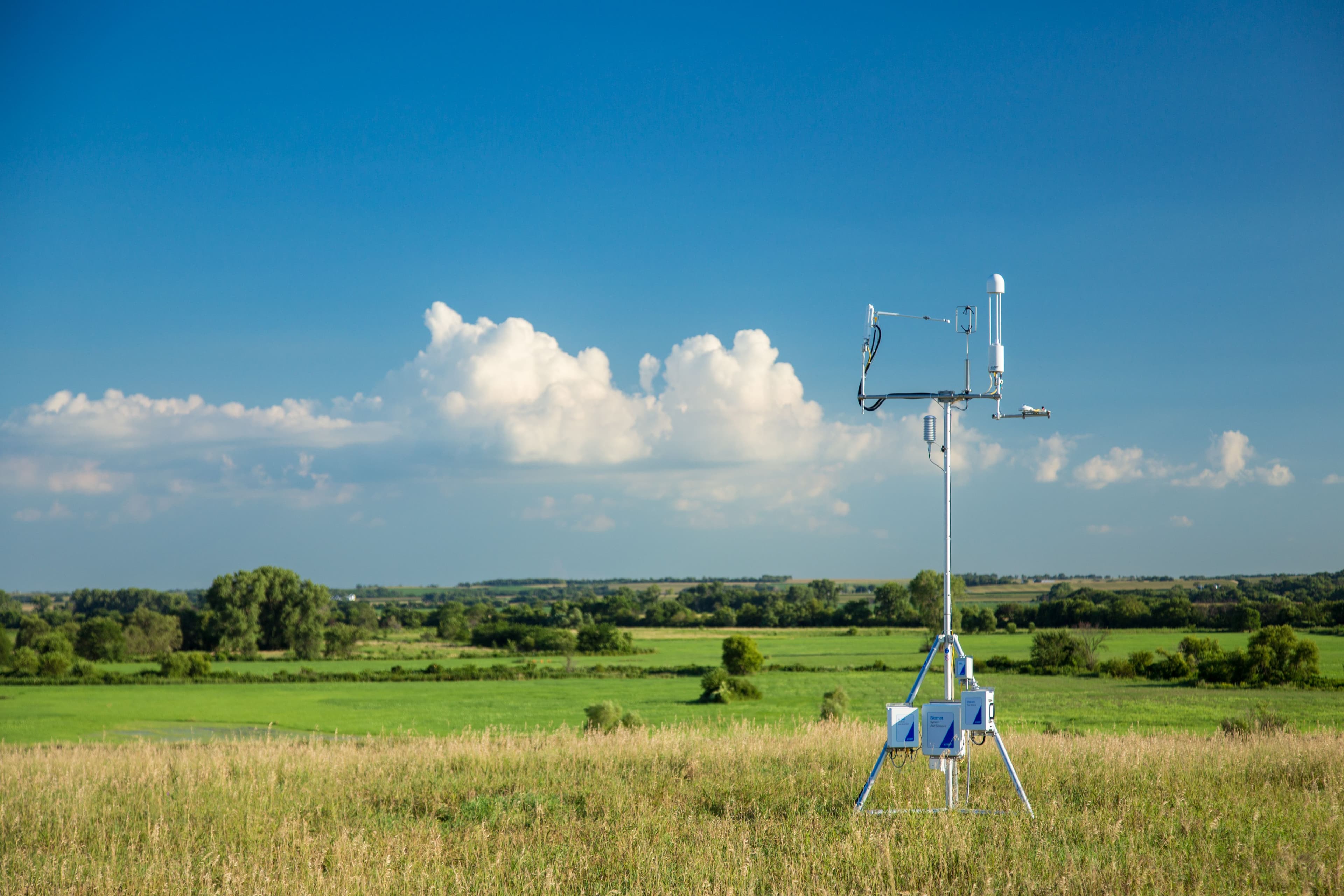
The eddy covariance method—a longstanding and globally recognized monitoring solution for measuring greenhouse gases in an ecosystem—and five research towers helped compare emissions in grazed and ungrazed lands. The results were surprising.
Cattle grazing, which decreases the amount of grass and ground cover, actually contributed to the creation of a strong carbon sink. Organic litter like grass and other plants is a necessary ingredient for microbes since their microbial processes release methane during the decomposition process. By reducing organic litter in the grazing pastures, the land exhibited a lower carbon footprint than the ungrazed pastures.
Furthermore, the team used its eddy covariance towers to determine the gas exchanges between pastures and the atmosphere. Their work revealed that only 19–30% of the methane emissions were contributed by cattle, aligning with the results of the ungrazed pasture study.
Studies on Methane from Cow Pastures in Australia Begin
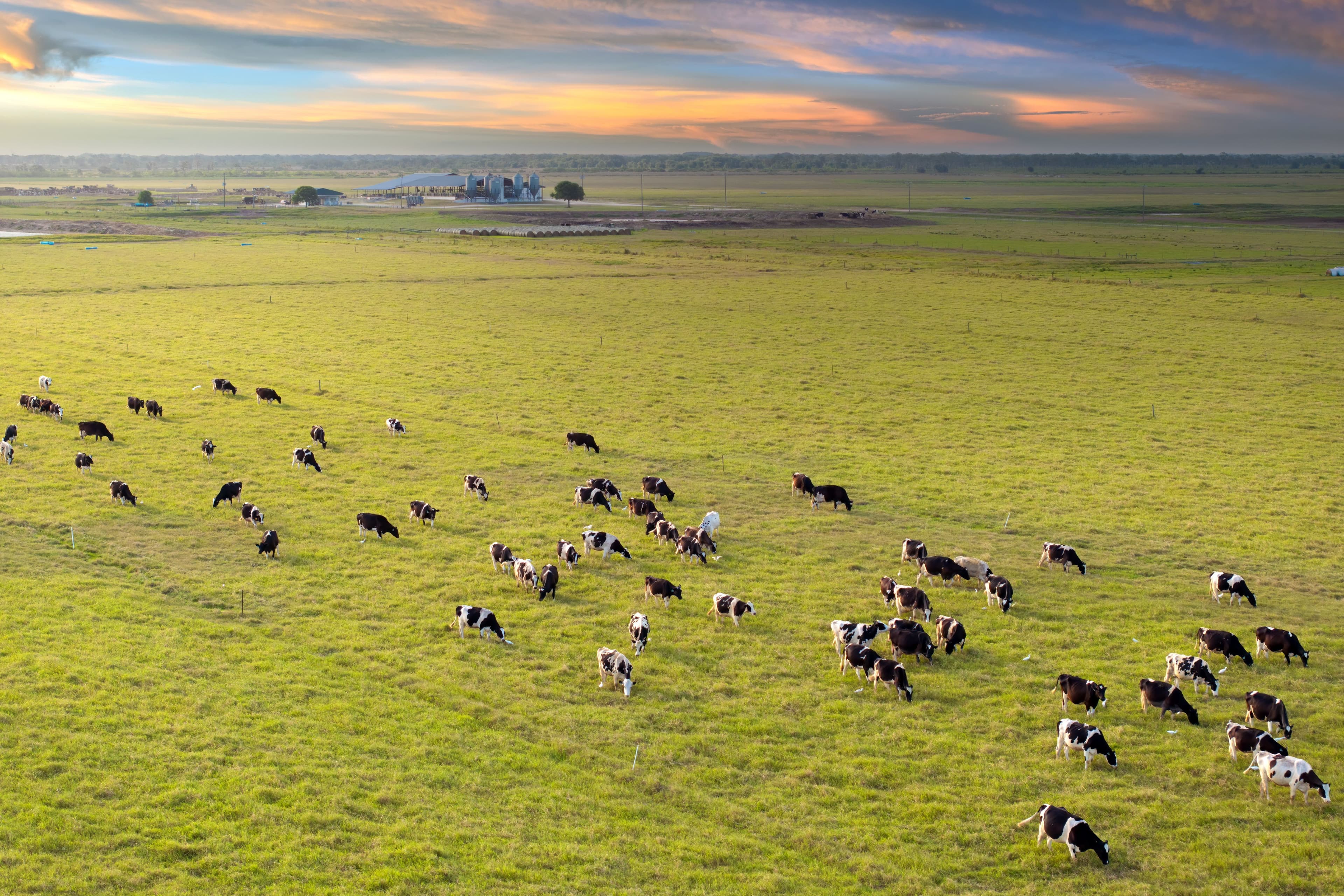
The insightful livestock emissions research at Buck Island Ranch has not gone unnoticed, either. Groups in Australia, for instance, are now looking to replicate this work. The similarities between Florida’s and Northern Australia’s environments make this an ideal match and may lead to further insights into carbon and methane fluxes. Recent talks have provided Australian researchers with the insights and direction they need to move forward and conduct their own methane monitoring research in hopes of continuing Buck Island Ranch’s conservation efforts.
Monitoring Tools for Tracking Emissions
Whether you’re looking to monitor methane for research or industrial purposes, there are several trusted solutions—including eddy covariance—that can help you track emissions, identify hotspots, and form effective mitigation strategies.
LI-COR offers a variety of unique, research-quality, and field-grade solutions for methane emissions work. Explore which portable and stationary systems are right for your environmental goals today.
LEARN ABOUT OUR METHANE MONITORING SOLUTIONS
References
- Barker, E. (2024). How a US conservation group is painting the full picture of livestock emissions. Available at Beef Central.