
Bunchgrasses of semi-arid rangelands in the western United States are predominately C3 species that rely on seeds for population growth or maintenance. Most of native grasses did not evolve with frequent and severe fire regimes, and often do not consistently produce viable seed every year. These realities severely hamper restoration efforts after disturbances like fire. It has become apparent that in order for successful landscape scale restoration to occur we need bunchgrasses that can grow quickly from seed and also produce high quality seeds.
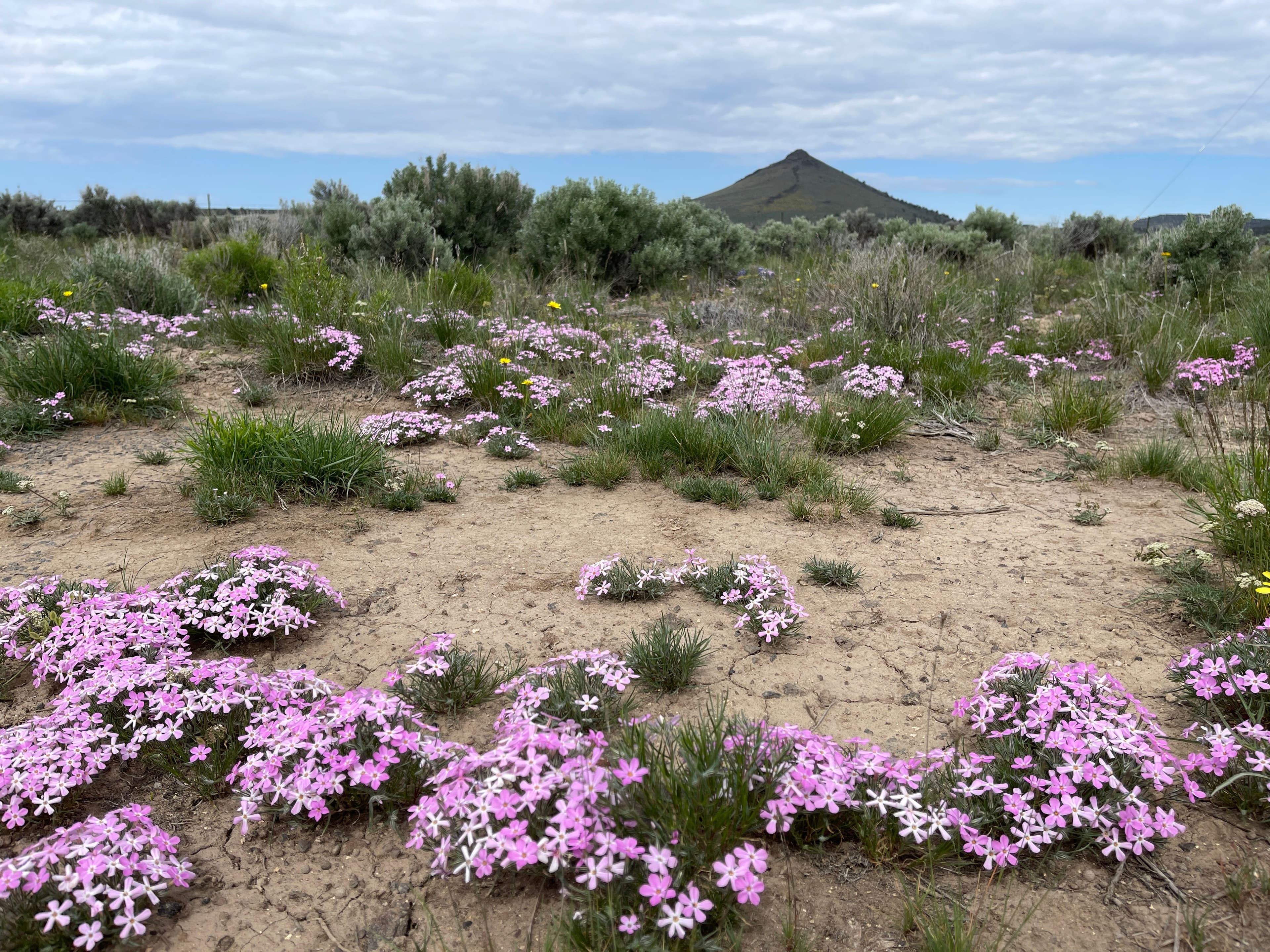
Collaborative research in the Great Basin by a USDA-ARS research by Erik Hamerlynck, Rory O'Connor, Kathleen Quigley, Tom Monaco, Tom Jones and Steven Larson is providing insight into how we can improve our native bunchgrass seed quality to better restore these landscapes after major disturbances. This group hopes to take physiological data and use it to create improved native bunchgrass cultivars. But, in order to develop these cultivars, large physiological data sets are required.
Over the last few years Erik, Rory and Kathleen have examined natural populations of bluebunch wheatgrass (Psuedorogenaria spicata) and bottlebrush squirreltail rye grass (Elymus elmoides) and compared them to crested wheatgrass (Agropyron crisatum), a successful non-native bunchgrass, to determine where and how energy is being allocated to reproduction. Using a suite of different ecophysiological instruments, parental genetic mapping, biochemical sampling for carbohydrates, and creative experimental design we are slowly understanding the processes for when, where, and how parental bunchgrasses partition energy for seed filling.
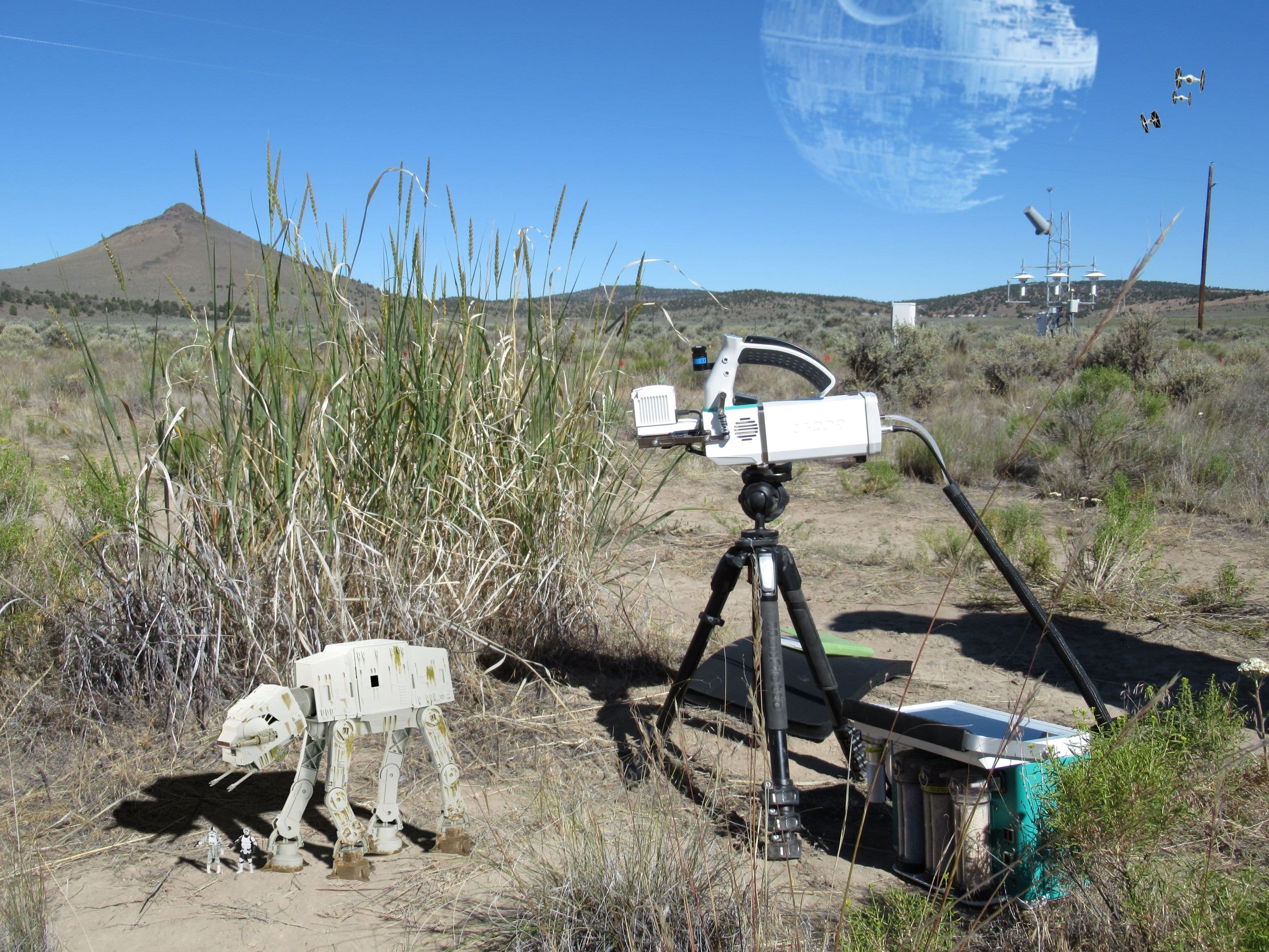
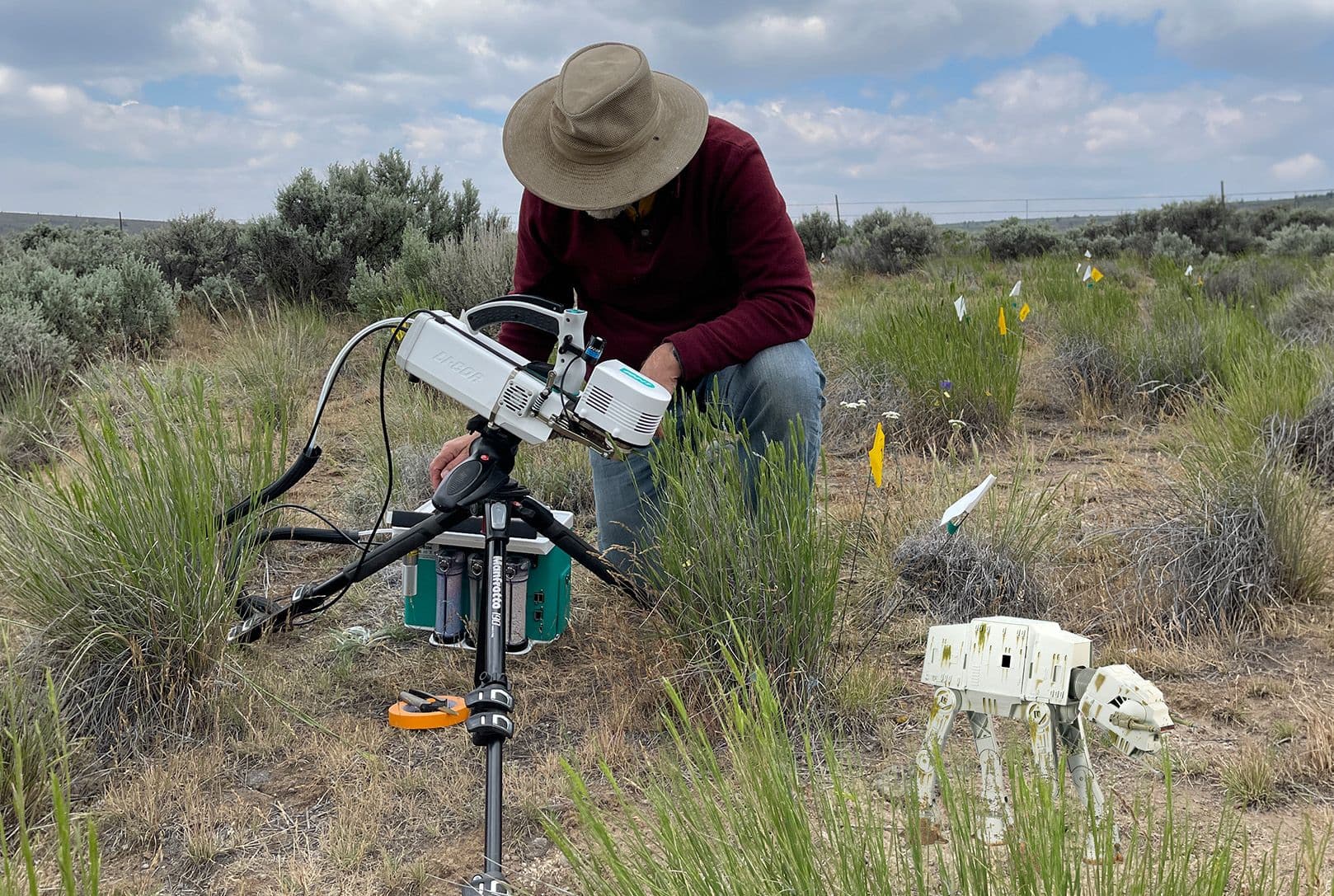
For this blog post we wish to highlight a few creative and unique experiments that we've done that, without the LI-6800 or LI-600N, we would not have been able to generate the high- quality data needed to measure bunchgrass florets and seedheads. All of our experiments seek to identify the mechanisms underlying seed quality of rangeland perennial bunchgrasses. One study1 led by Kathleen Quigley used the LI-6800 to determine how distinct germplasms of bluebunch wheatgrass responded to floral herbivory. Use of the LI-6800 with the multi-phase fluorometer and small cuvette (2 cm2) allowed us to sample clipped and unclipped sections on the same seedhead, allowing us to determine direct and indirect photosynthetic gas exchange and photochemical responses to floral herbivory. The results of this study showed that germplasms selected for higher flowering culm production had reduced compensatory photosynthetic responses, which may affect its efficacy in restoration efforts.
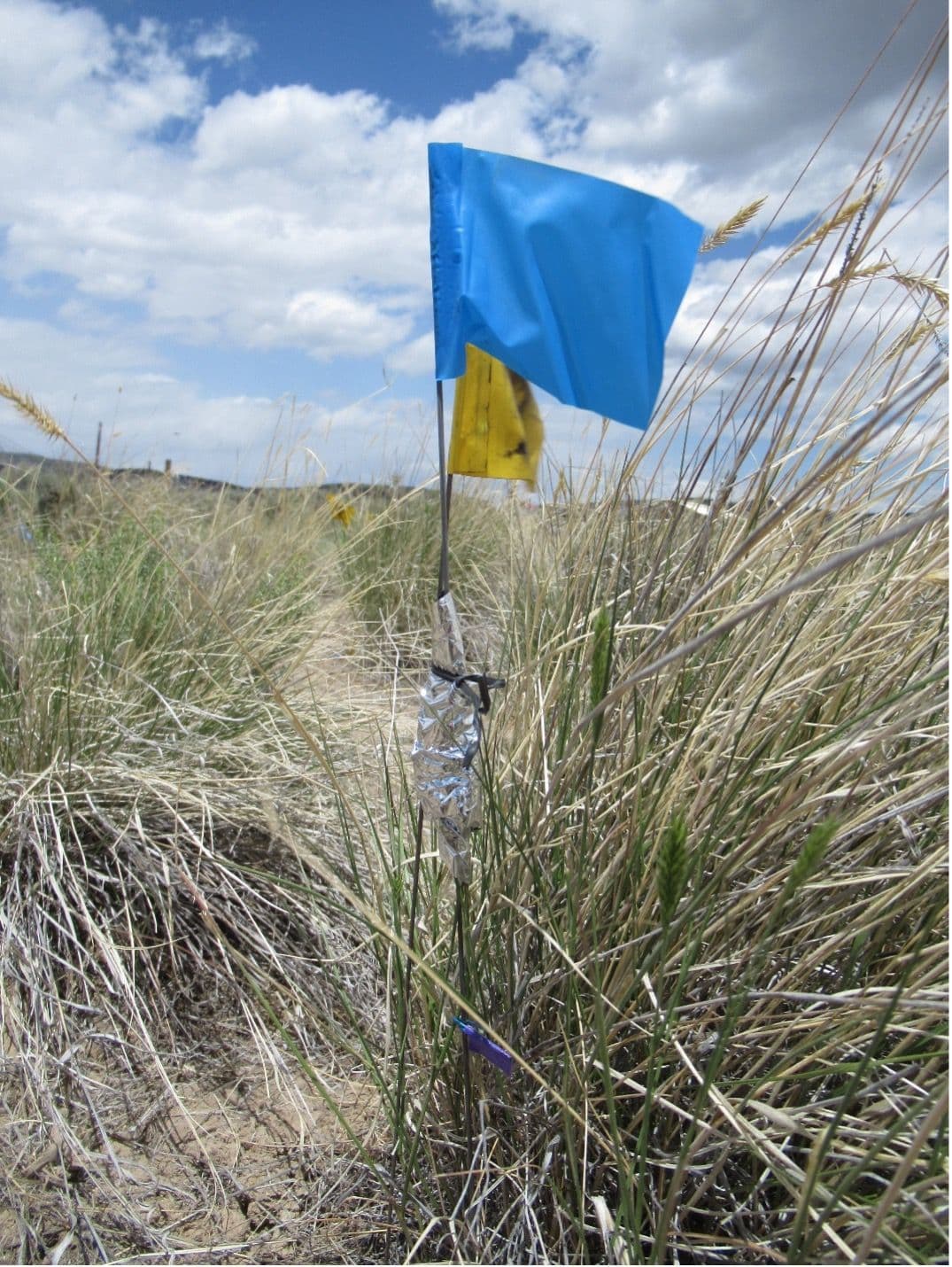
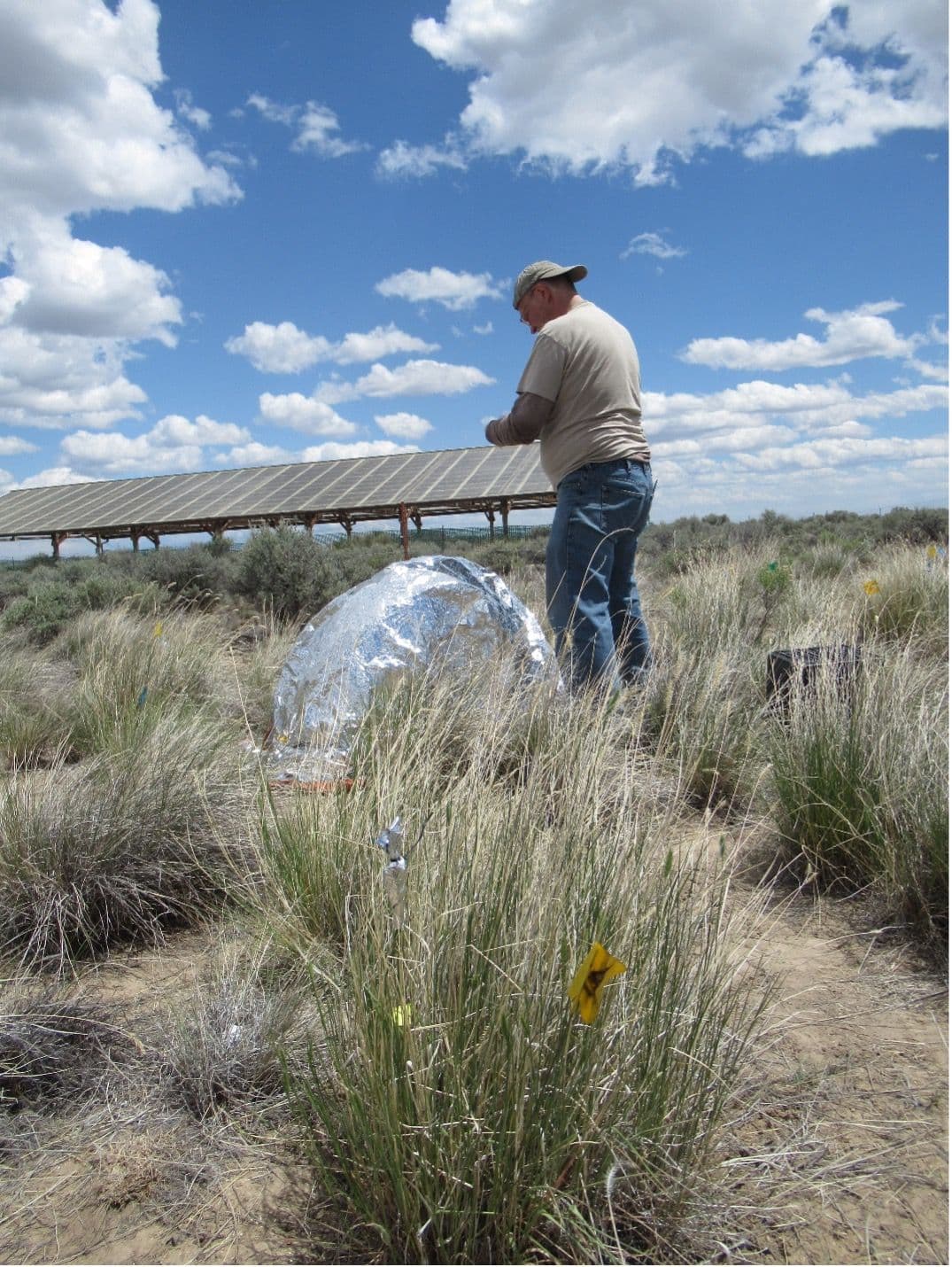
The second project we called the “jiffy pop” or “shake and bake” study, where we developed a unique method to employ the LI-600 to generate dark- and light-adapted chlorophyll fluorescence parameters of flag leaves and seedheads of a native grass, bottlebrush squirreltail, and the exotic crested wheatgrass under high and low soil moisture conditions in the field.. We first measured light-adapted PSII yield (PSII), then wrapped the sampled tissue with mylar strips to dark-adapt them for one hour. We then repeated our measurements after removing the coiled sheaths while under a multi-layer covering made with emergency space blankets that excluded all visible light. Measurements under the “jiffy-pop” canopy - so named because we faced the shiny reflective surface outwards - provided us with optimal PSII yield (Fv/Fm) data. We found irrigating improved photochemical performance of the structure most closely associated with seed production; seedheads for crested wheatgrass, flag leaves for bottlebrush squirreltail, and that crested wheatgrass seedheads attained higher electron transport rates across saturating light levels compared to the native grass 2. These results propelled us to continue this line of inquiry into understanding the mechanisms behind reproductive output and success of our native perennial bunchgrasses.
Ecophysiological research has always been an exercise in creativity, whether that is through designing bespoke instrumentation, creating new methods, or unique experimental design treatments to get at a specific mechanism or process. Additionally, many ecophysiologist, young or seasoned, have a difficult time in figuring out how their research can be considered applied. Figuring out how your research can be applied requires a researcher to understand how the processes or species of interest interact within the larger ecosystem. We have found that talking with other disciplines like geneticists, plant breeders, farmers or ranchers, land managers or restoration practitioners can really help bring your research to a broader context.
Disclaimer: Mention of a proprietary product does not constitute a guarantee or warranty of the product by USDA- ARS or the authors and does not imply approval to the exclusion of other products. Any use of trade, firm, or product name is for descriptive purposes only and does not imply endorsement by the U.S. Government.
Learn more about the LI-6800 and LI-600
LEARN MORE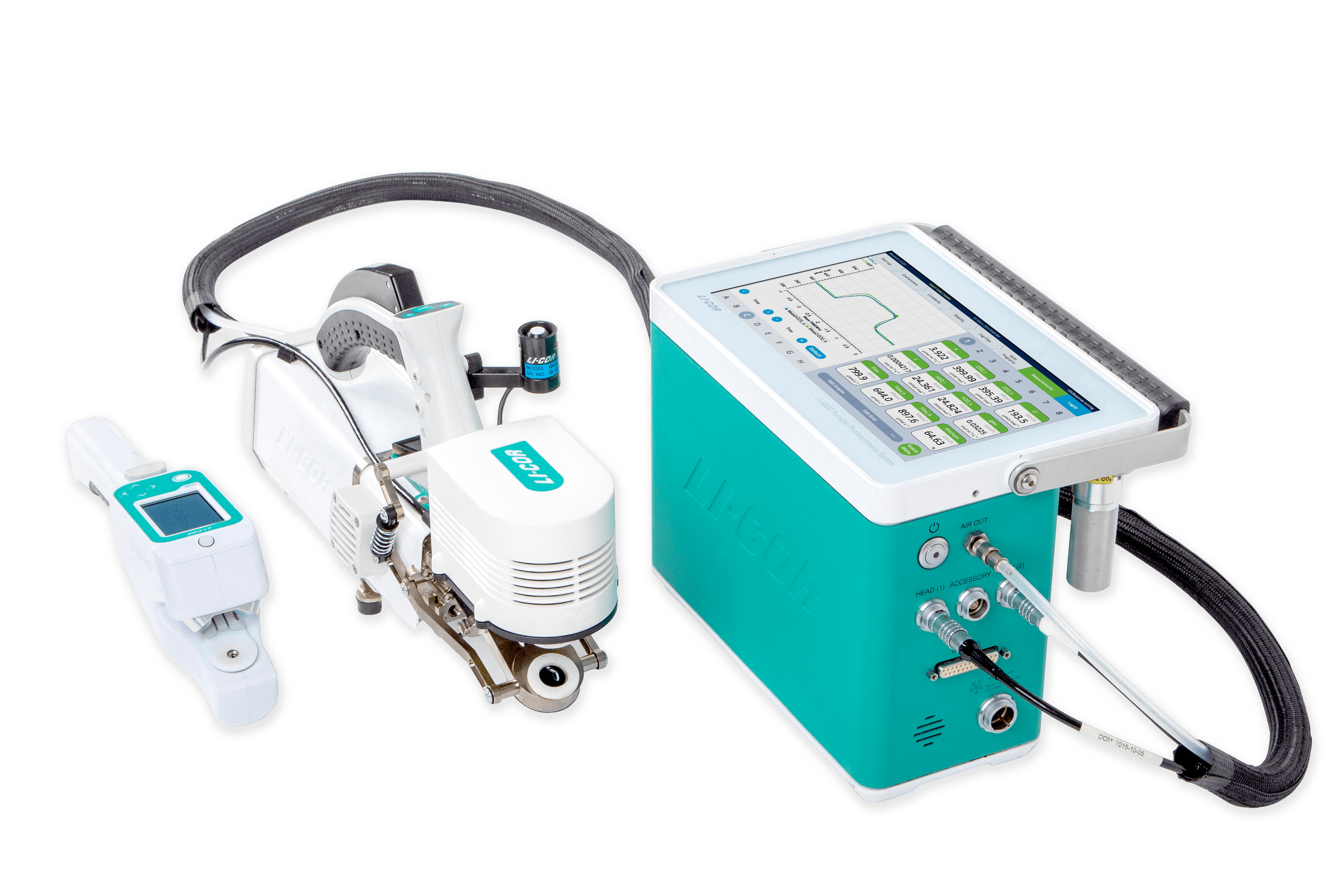
References
- 1Quigley KM, O'Connor RC, Monaco TA, Hamerlynck EP. 2024. Variation in reproductive photosynthetic compensation of distinct germplasm varieties of a native rangeland grass, Pseudoroegeneria spicata, following floral defoliation. Conservation Physiology 12(1):coae078; doi:10.1093/conphys/coae078.
- 2 Hamerlynck EP and O'Connor RC. 2022. Photochemical performance of reproductive structures in Great Basin bunchgrasses in response to soil-water availability. AoB Plants 14(1):plab076; https://doi.org/10.1093/aobpla/plab076.
Authors
Rory C. O'Connor | Research Ecologists for USDA-Agricultural Research Service
Erik P. Hamerlynck | Research Ecologists for USDA-Agricultural Research Service
Affiliation: Range and Meadow Forage Research Unit, USDA-ARS, Burns, OR
NEVER MISS OUT ANOTHER POST
SUBSCRIBE TO OUR NEWSLETTERJOIN OUR COMMUNITY TODAY!