Environmental factors such as temperature, humidity, wind, radiation, and soil moisture influence the physiological responses captured by the LI-600 and LI-600N. A field-deployed HOBO weather station provides the real-time, on-site microclimate data you need to contextualize stomatal conductance and chlorophyll fluorescence measurements. This ensures your data reflects actual conditions, not modeled or distant weather data.
The LI-600 and LI-600N work quickly, screening up to 200 samples per hour, so your weather station needs to keep pace. A HOBO weather station uploads climate data directly to LI-COR Cloud® with a service plan, giving you access to near real-time weather data from anywhere. Meanwhile, the LI-600 and LI-600N data remains stored on the instrument. By working together, a HOBO station and LI-600/LI-600N:
Start with a common weather station configuration or customize your setup with additional sensors based on your site, measurements, and research goals. Options may include:
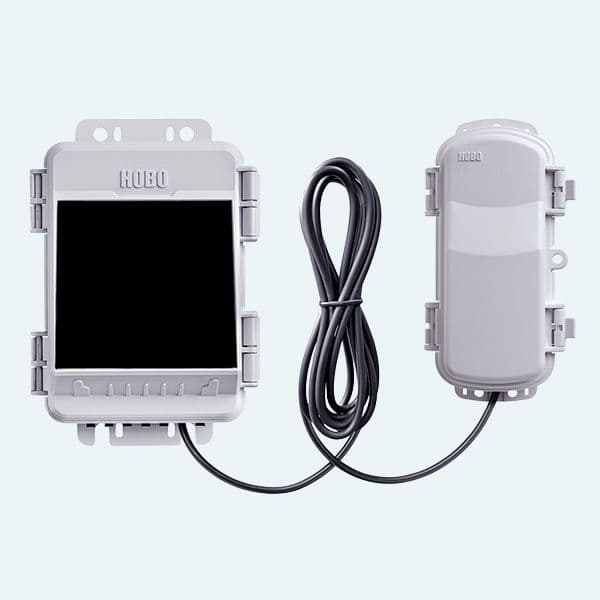
Automatically downloads data in real-time from sensors and delivers it to LI-COR Cloud® via cellular
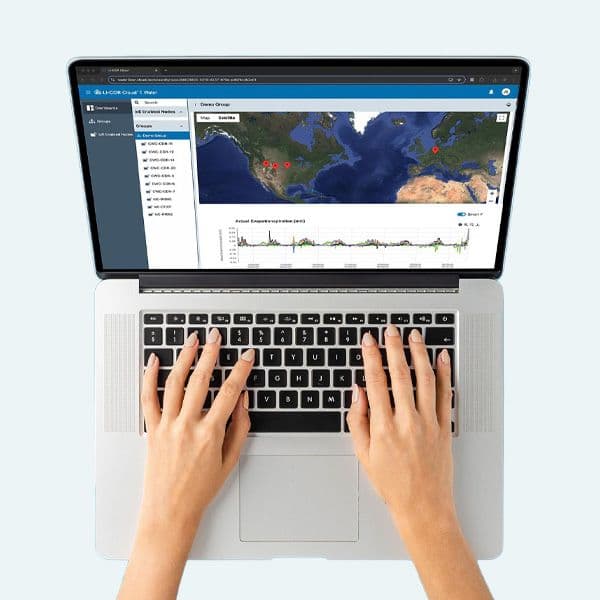
Annual plan that enables communication with LI-COR Cloud via cellular data (in countries supporting coverage)
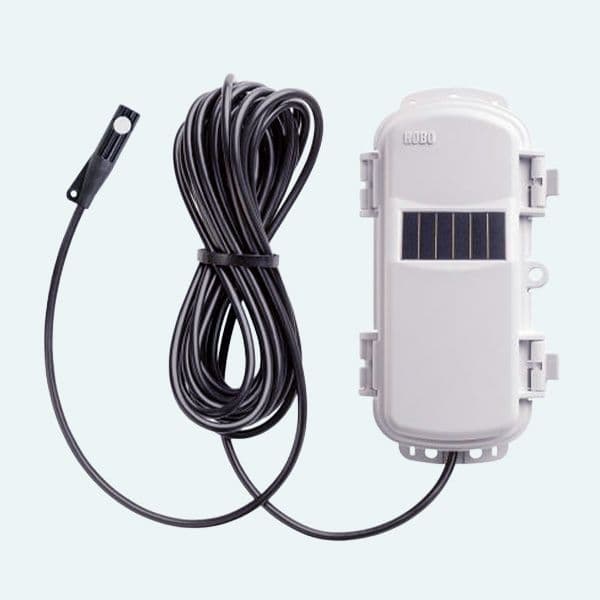
Measures ambient air temperature and humidity for localized insights
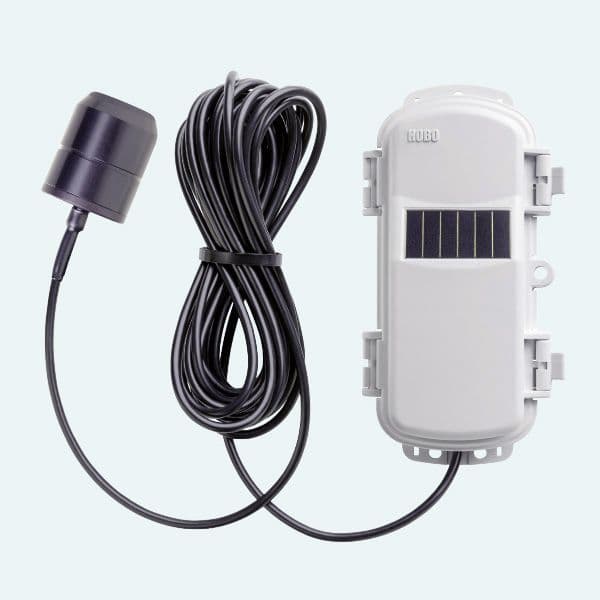
Measures global solar radiation in watts per square meter (W m⁻²) for plant behavior insights
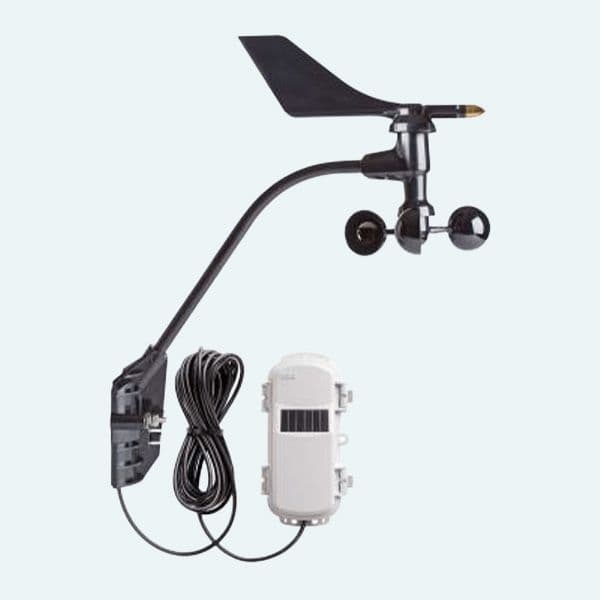
Reveals the impact on transpiration and gas exchange rates
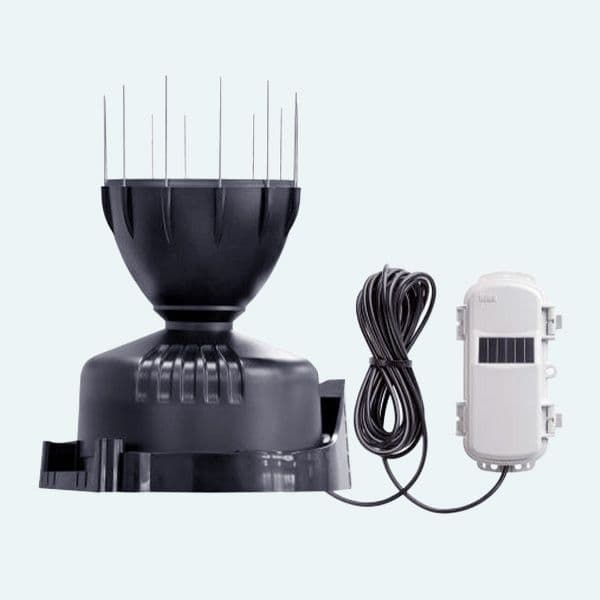
Measures rainfall intensity and total precipitation to gauge precipitation variability across landscapes
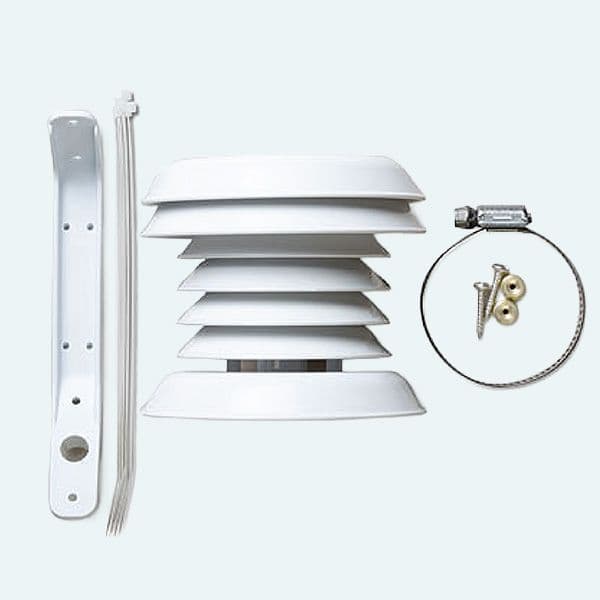
Measures total solar radiation to determine how shading or sunlight exposure varies across microclimates
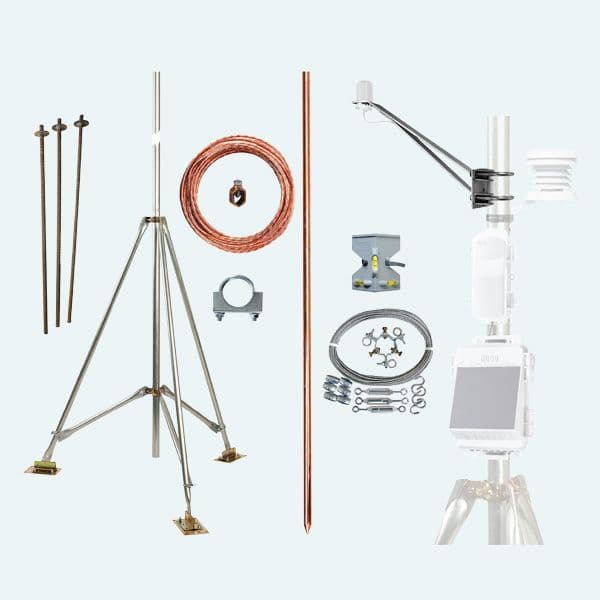
Mounting bracket, sensor leveling kit for pyranometer, and a HOBO weather station 2-meter tripod kit
Pairing the LI-600/LI-600N with a weather station gives you a complete environmental picture quickly, helping you interpret plant responses with confidence.
Request a Quote